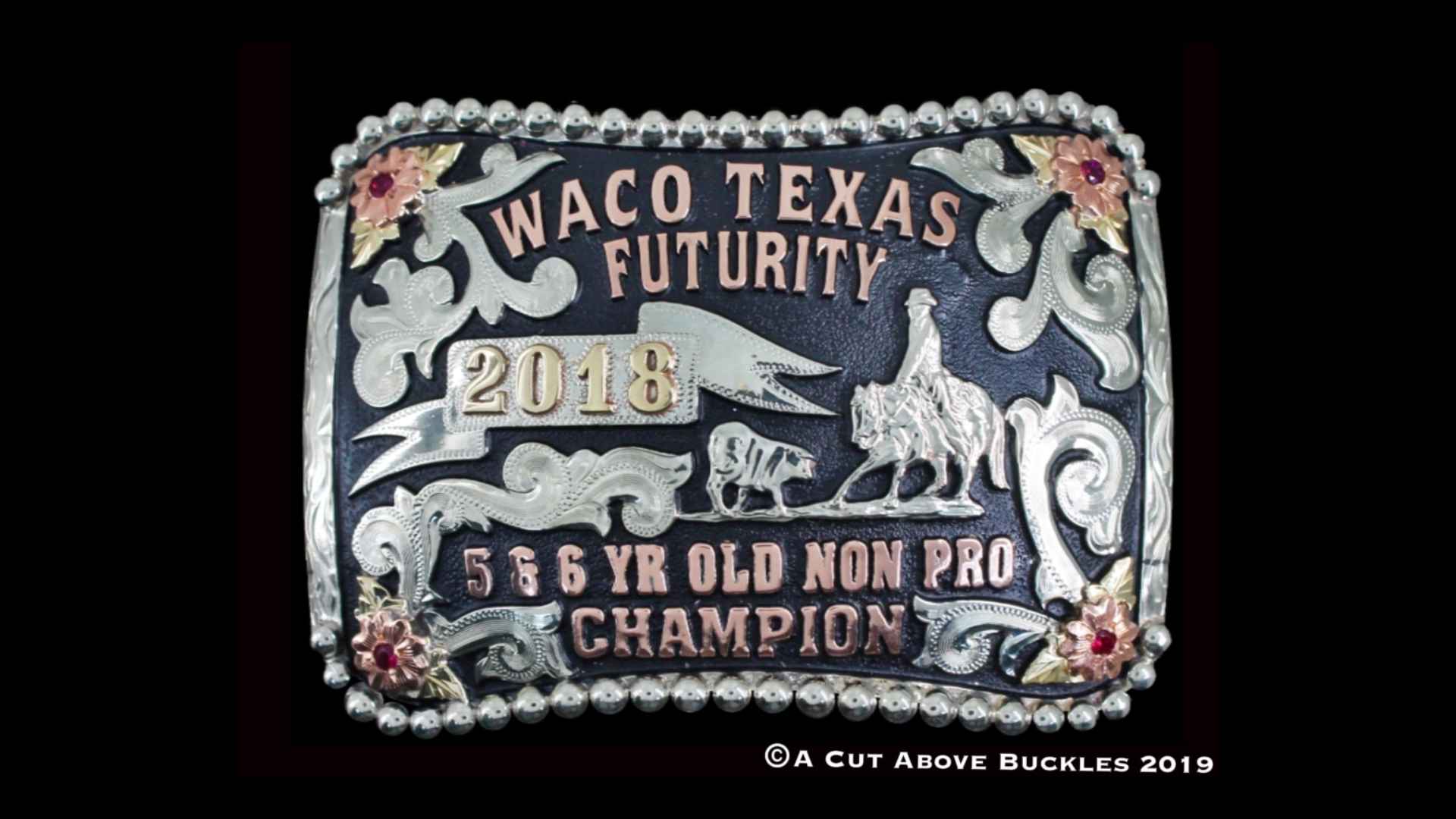
A western belt buckle and a belt are two separate purchases, and the compatibility between them is not automatic. Buy the wrong belt and the buckle will not fit, sit right, or stay secure. This guide covers exactly what to look for in a leather belt for buckle use, how different belt styles work with western buckles, and the mistakes buyers make most often when pairing the two.
Most western belt buckles do not attach to a belt the same way a standard dress buckle does. A dress buckle typically has the buckle riveted or sewn permanently to the belt end. A western buckle is removable. That is the whole point.
A removable western buckle attaches at the fold end of the belt using one of two main systems. Understanding which your belt uses tells you immediately what type of buckle it accepts.
The snap system is the most common in western wear. The belt has a snap mechanism, usually a single snap or a small set of snaps, sewn into the fold end of the leather. The buckle has a corresponding loop or post that connects to that snap. The buckle slides in and clicks into place. To swap the buckle, press the snap release, pull the buckle free, and attach the new one.
Snap belts are buyer-friendly. They let you own one good quality belt and swap buckles based on occasion or preference. Most quality western belts sold today use this system.
Some belts, particularly older or more traditional styles, have a folded slot at the end rather than a snap. The buckle bar slides through the slot and the leather folds over to hold it in place. This is more permanent than a snap system and requires stitching or a fastener to keep the fold closed. Swapping buckles on this style is possible but less convenient.
The belt buckle parts, types, and closures guide covers both closure types in more detail, including how the bar and keeper fit into each system.
Every western buckle has a strap bar, the horizontal bar on the back of the buckle that the belt slides through. That bar is cut to a specific width. The belt strap must match that width to fit.
This is the single biggest compatibility issue buyers run into. A buckle built for a 1.5-inch belt will not slide onto a 1.75-inch belt strap. The leather will not pass through the bar opening, and forcing it damages both the belt and the buckle.
Measure your existing belt at the strap end before buying any buckle. The most common widths in western belts are:
1.5 inches is the standard for adult western belts and suits the majority of western buckles on the market
1.75 inches suits larger, heavier buckles and is common in wide trophy-style pieces
1.25 inches appears in some women's western belts and slimmer casual styles
1 inch is typical in lighter women's western and fashion belts
Always confirm the buckle bar width matches your belt width before ordering. If you are ordering both a belt and a buckle at the same time, match the measurements from the start.
The belt buckle size guide includes specific width pairings and helps buyers confirm the right fit before purchasing.
Belt leather thickness affects how the buckle sits and how long the belt holds up over time. Thin leather flexes too much under a heavy buckle and wears out faster at the fold end. Leather that is too stiff can crack at the fold point or refuse to seat properly in a snap system.
Most quality western belts are cut from leather in the 10 to 12 ounce range, which translates roughly to 0.16 to 0.19 inches thick. That thickness balances flexibility at the fold end with enough body to support the weight of a western buckle without sagging or curling.
For heavier sterling silver buckles or large trophy-style pieces, thicker leather in the 12 to 14 ounce range holds the buckle more firmly and prevents the belt from pulling forward and downward with wear.
Cheap belts often use bonded leather, which is compressed leather scraps pressed together with adhesive. It looks fine initially but cracks and delaminate at the fold end within months of regular wear. A genuine full-grain or top-grain leather belt holds the buckle hardware without breaking down at the pressure points.
A keeper loop is the small leather loop or ring that sits near the buckle fold end and holds the belt tip in place after the belt is fastened. Not all belts include one, but it makes a real difference in how the belt looks and wears.
Without a keeper, the tip of the belt flaps loose and shifts forward or sideways with movement. With a keeper, the tip stays flat against the main belt strap and the whole setup looks cleaner and more intentional.
On snap western belts, the keeper is usually a separate piece that slides onto the belt strap independent of the buckle. On some belts, the keeper is stitched in place at a fixed position. For custom or higher-end western belts, the keeper is often part of the original design.
If a belt you already own does not have a keeper, leather shops can add one without altering the rest of the belt.
Many buyers already own a western-style belt and want to know whether it accepts a removable buckle. A few checks answer this quickly.
Run through these points before assuming compatibility:
Look at the fold end. A snap system has visible snap hardware. A sewn-slot belt has stitching across the fold. A belt with the buckle permanently attached through the leather is not designed for buckle swapping without modification.
Measure the strap width at the fold end. This is the number you need to match any buckle you order.
Check the leather condition at the fold. Cracked, frayed, or compressed leather at the fold point signals the belt is near the end of its useful life and may not hold a new buckle securely.
Check the snap condition. If the snap feels loose, does not click firmly, or shows corrosion, replace the belt before attaching a new buckle. A failed snap drops your buckle with no warning.
The core compatibility rules are the same for men and women, but the typical dimensions differ.
Men's western belts most often run at 1.5 inches wide. Standard men's western buckles are built to that width, so the pairing is usually straightforward. Men's western belts and buckles covers how specific belt and buckle combinations work together for different western styles and occasions.
Women's western belts vary more widely. Widths range from 1 inch to 1.5 inches depending on the style, with 1.25 inches being common in mid-range fashion western belts. A woman ordering a custom buckle needs to know her exact belt width before the buckle bar can be sized correctly.
Belt length also differs. Women's western belts typically run shorter than men's and use the same add-two-inches rule for sizing from pant waist to belt length. Confirm the belt length accommodates the center hole wear position before buying.
First-time buyers run into the same problems repeatedly. These are the most avoidable ones.
Ordering a buckle without measuring the belt first. The bar width on the buckle has to match the strap width exactly.
Buying a fashion belt with a western buckle. Fashion belts often use bonded leather and fixed buckles not designed for swapping. They look similar but are not built for western hardware.
Ignoring the snap condition on an older belt. A worn snap will not hold a new buckle reliably.
Pairing a very heavy buckle with thin leather. The belt sags, folds, and wears out fast at the attachment point.
Forgetting to check keeper compatibility. Some keepers are fixed at a position that does not work once a different buckle length is attached.
Buying both pieces at the same time removes most of the compatibility risk. When the belt and buckle come from the same source, the bar width, leather thickness, and snap system all get confirmed before anything ships.
Custom belt buckles can be built to match a specific belt already in a buyer's possession, with the bar width and strap dimensions confirmed during the design process.
To start building a buckle that fits exactly what you already own, or to discuss both pieces together from the start, visit A Cut Above Buckles and reach out with your measurements.

© Copyrights 2026 A Cut Above Buckles


