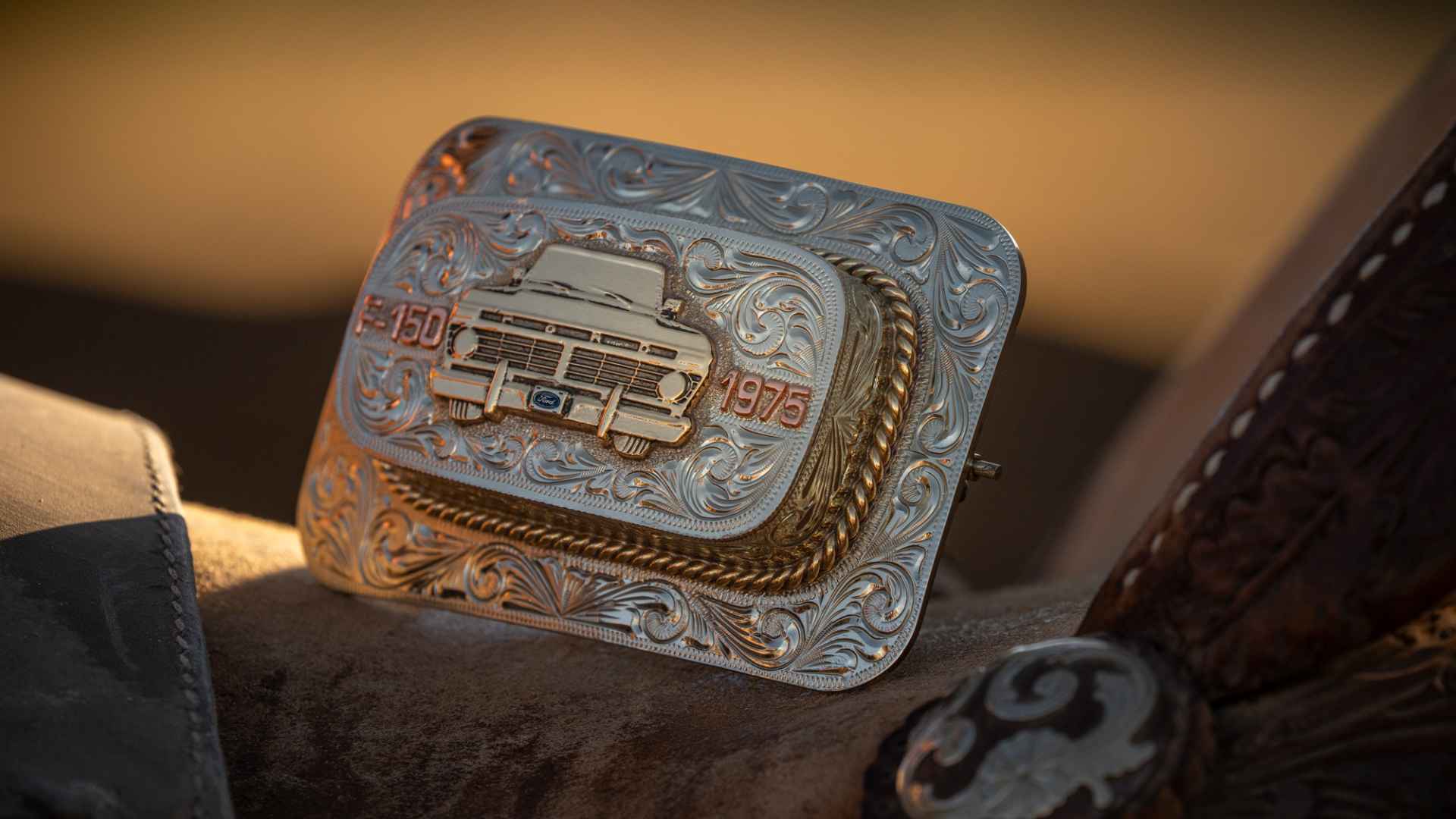
Most people never look twice at a belt buckle. It sits on the belt, does its job, and gets forgotten until it breaks or you need to replace it. But once you start shopping for a custom piece, the terminology gets confusing fast. Frame, tongue, loop, plate. What do these words even mean?
This guide breaks down every part of a belt buckle in plain language. No jargon, no guessing. By the end, you will be able to talk through buckle options with confidence, whether you are ordering a trophy piece or just trying to fix a belt at home.
A belt buckle has more moving pieces than most people realize. Each part plays a specific role in how the buckle holds the belt and fastens around your waist.
Here are the core components found on most standard buckles.
Frame: The outer structure that holds everything together. This is usually the part that shows off the design or artwork.
Tongue: The small metal piece that pokes through the belt hole. It pivots on a bar and locks the belt in place.
Bar: The horizontal piece inside the frame where the tongue attaches and pivots.
Loop: A metal ring or bar on the back of the buckle where the belt strap threads through and gets secured.
Plate: The front-facing surface of the buckle, often engraved or decorated. On some buckles, the plate and frame are the same piece. On others, the plate sits on top of a separate frame.
Prong: Another term for the tongue, though some people use it specifically for buckles with multiple spikes instead of one.
Knowing these terms makes it much easier to describe what you want when ordering a custom design or explaining a repair to a jeweler.
The frame shapes the whole look of a buckle. Different frame styles suit different purposes, from everyday wear to award pieces meant to be displayed.
A center bar buckle has a solid bar running through the middle of the frame. The belt loops around this bar rather than using a tongue and hole system. These buckles are common in Western wear and give a cleaner, more traditional look.
Trophy buckles are usually larger and more decorative than everyday buckles. They often feature multiple metal tones, engraved backgrounds, and space for text like an event name or date. These are built to be worn with pride, not just to hold up pants.
These are the most familiar shapes people picture when they think of a belt buckle. Rectangle frames give a bold, structured look. Oval frames feel a bit softer and are popular for personalized or engraved pieces.
Some buckles skip the standard rectangle or oval entirely. Shield shapes give a strong, symmetrical look often used for commemorative pieces. Scalloped edges add a decorative curve around the border, which works well for detailed Western designs.
If you want to see how these frame styles come together with metal choices and finishes, check out our custom designs page for examples of finished work.
The closure is how the buckle actually fastens the belt. This part often gets overlooked, but it changes how the buckle functions day to day.
Below are the most common closure types you will run into.
Tongue and hole closure: The classic setup. A metal tongue slides through a hole punched in the belt strap. This is the most common closure on Western and dress belts.
Center bar closure: Instead of a hole, the belt wraps around a center bar and gets held in place by friction or an additional clasp. Common on ratchet-style or wraparound belts.
Snap closure: The buckle attaches to the belt strap with a snap fitting, letting you swap buckles without removing the entire belt. This is popular for people who want one belt strap and multiple buckle designs.
Screw-on closure: Some buckles attach with small screws through the back of the strap. This gives a very secure, permanent connection but makes swapping buckles harder.
Hook and eye closure: Less common on Western buckles, but found on some fashion or formal belts. A hook catches an eye loop to hold the belt shut.
Each closure type has trade-offs. Snap closures give flexibility if you like changing buckles often. Screw-on closures are more permanent but feel sturdier for daily wear. Tongue and hole closures remain the standard because they are simple, reliable, and easy to adjust.
Once you understand the frame and closure, the next layer is the metal itself. The type of metal used changes weight, durability, shine, and price.
Buckles can be made from sterling silver, German silver, brass, bronze, or nickel, and each metal behaves differently over time. Some finishes are meant to shine, while others are treated to look aged or antiqued on purpose. If you want a deeper breakdown of what each metal option looks and feels like, our guide on Western buckle metal types covers the differences in detail.
Understanding metal type also helps you predict how a buckle will age. Sterling silver develops a natural patina over years of wear. Brass tends to darken slightly with use. Knowing this ahead of time means fewer surprises once the buckle becomes part of your daily rotation.
Buckle terminology is not just trivia. It changes how smoothly a custom order goes from the first phone call to the finished piece.
When you can say "I want a center bar frame with a screw-on closure and an antiqued brass finish," a silversmith knows exactly what you mean. That saves time, reduces back and forth, and helps avoid miscommunication during the design process.
This matters even more for buckles tied to events, teams, or family history. A trophy buckle for a rodeo association needs different specs than a memorial piece meant to be worn daily. Knowing the vocabulary helps you explain what the buckle is for, not just what it should look like.
Now that you know the parts, frames, and closures, you are equipped to describe exactly what you want. Whether you're commissioning a one-of-a-kind trophy buckle or replacing a worn everyday piece, this vocabulary puts you in control of the conversation.
At A Cut Above Buckles, every piece is built to order using traditional silversmithing techniques. Frame style, closure type, and metal finish are all decided with the customer, not chosen from a limited template. That means the terminology you just learned becomes a real part of your design conversation, not just background knowledge.
For more educational breakdowns like this one, covering everything from metal types to design history, visit our knowledge hub. And if you are ready to start designing a custom piece of your own, head to our homepage to see the full range of what is possible.

© Copyrights 2026 A Cut Above Buckles


