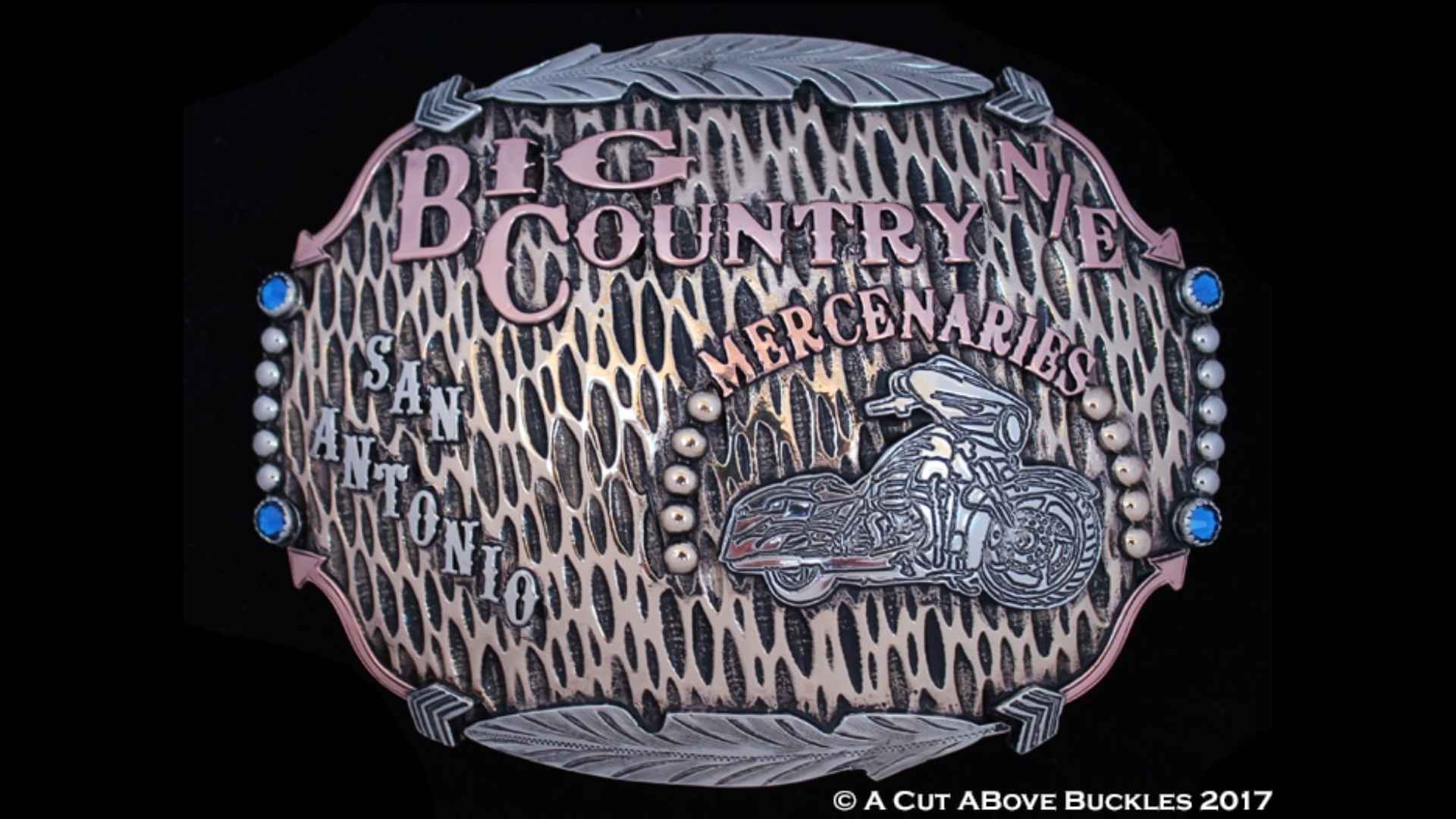
Brass is one of the oldest metals used in western hardware, and it still earns its place in belt buckle making today. Its warm gold tone, solid weight, and long-term durability make it a real option worth considering, not just a budget alternative to silver.
This guide covers what brass actually is, how it performs as a buckle material, how it ages over time, and how it stacks up against sterling silver and German silver. By the end, you will have a clear picture of when a brass belt buckle is the right call and when a different metal serves better.
Brass is an alloy made from copper and zinc. The exact ratio varies by grade, but most brass used in western hardware sits somewhere between 60 and 70 percent copper with the rest made up of zinc. That blend produces a metal that is harder than pure copper, easier to work with than many alloys, and naturally resistant to corrosion.
The copper content is what gives brass its warm, golden-yellow color. It is noticeably different from the cool gray of silver and closer in tone to yellow gold. That visual quality alone makes brass a distinct choice, not just a replacement for something else.
For a broader look at how brass compares to other western buckle materials, the western buckle metal types guide covers the full range from zinc to sterling silver.
Brass belt buckles hold up well under regular use. The material is dense and solid without being impractical to wear daily. Here is how brass performs across the factors that most buyers care about.
Brass is a hard metal. It resists denting better than softer alloys and holds its structural shape through daily wear and impact. A well-made brass buckle does not bend or warp easily. This makes it a practical choice for working western wear, ranch use, and anyone who puts their gear through real conditions.
It also holds up in heat and cold without becoming brittle. Brass expands and contracts slightly with temperature, but that movement is not enough to affect a properly constructed buckle.
Brass is heavier than zinc, lighter than sterling silver. Most buyers find the weight comfortable for daily wear. It gives the piece a solid feel without pulling a belt down the way a large sterling piece can. For people who want substance in hand but do not want to feel the buckle all day, brass often hits a good middle point.
This is the part of brass most buyers ask about. Brass tarnishes. Over time, the surface oxidizes and shifts from bright gold-yellow toward a darker, warmer amber tone. In some cases it develops a deeper brown or greenish tint in the recessed areas of the design.
This is not a defect. Tarnishing is a natural property of copper-based alloys, and many people prefer the aged look. A brass belt buckle that has seen a few years of wear develops a character that a fresh, shiny piece does not have. The patina settles into engraved details and border lines, making the design read with more depth and contrast.
For buyers who want to keep the brass bright, regular polishing brings it back without much effort.
Brass takes engraving well. The metal is firm enough to hold clean, sharp lines without tearing or spreading, and soft enough that an experienced silversmith can cut detail into it without excessive difficulty. Fine scrollwork, border patterns, initials, and ranch brands all translate clearly into brass.
One thing worth knowing: because brass is harder than some softer alloys, the engraving depth needs to be consistent. Shallow cuts in brass can fade more quickly than the same cut in sterling silver. A skilled craftsman accounts for this in the design process.
The patina that brass develops is one of its most distinctive qualities. Unlike plated finishes that chip and peel, brass ages from the inside out. The surface color deepens. Recessed areas darken first, while raised detail stays brighter longer. The result is a two-tone effect that happens naturally without any treatment.
Many western collectors and longtime buckle wearers consider a well-aged brass piece more visually interesting than a new one. The metal tells a story through its wear, and that story reads in the patina.
If the natural aging is not the look you want, a clear lacquer coat applied by the maker can slow the tarnishing process. This keeps the surface closer to its original color for longer. Lacquering is a common option for custom brass belt buckles ordered for awards or gifts, where the presentation finish matters.
Sterling silver and brass occupy different positions in the western buckle market. Knowing what each one actually offers makes the choice straightforward.
Sterling silver is 92.5% pure silver. It has a cool gray-white finish, takes exceptionally fine engraving, develops its own silver patina over time, and carries the weight and value of a precious metal. A sterling silver vs German silver buckle comparison shows how even within silver options, the differences are significant.
Brass costs less than sterling and produces a warmer, gold-toned finish. It is harder in some respects but does not carry the same prestige or resale consideration as sterling. For a working piece meant to be worn hard, brass holds its own. For a heirloom piece, a rodeo trophy, or a high-end custom award, sterling silver is the better fit.
The best metal for western belt buckles guide gives a full breakdown of how materials compare across price, appearance, and long-term wear.
German silver is the most common material in mass-produced western buckles. Despite the name, it contains zero silver. It is a copper, zinc, and nickel alloy with a cool gray finish meant to mimic the look of sterling.
Compared to German silver, brass is a warmer-toned metal with a completely different visual character. German silver leans cool and pale. Brass leans warm and golden. Neither is a precious metal, and both sit in a similar price range depending on the maker and the piece.
For buyers choosing between the two, the decision usually comes down to color preference and intended use. German silver reads more like traditional silver-toned western hardware. Brass reads more like antique or warm-toned western pieces and pairs naturally with copper accents, leather, and earth-toned western wear.
Brass needs basic care to stay looking its best, whether you want to preserve the natural patina or keep the surface polished.
Follow these habits to get the most out of a brass buckle:
Wipe the buckle with a soft dry cloth after wearing it
Use a dedicated brass polish to bring the surface back to bright if tarnish is not the look you want
Avoid harsh chemicals, bleach, or abrasive cleaners that scratch the surface
Store it somewhere dry, since moisture speeds up tarnishing
For lacquered pieces, avoid polishing compounds that remove the protective coat
Check engraved areas once a year and clean out any buildup with a soft brush
Brass does not require the same level of attention as sterling silver, but a little regular care keeps a well-made piece looking sharp for years.
Brass is a good fit in specific situations. It is not the right metal for every buyer, but for the right person it is a strong choice.
Brass works well for buyers who want a warm, gold-toned western piece without the price of yellow gold overlay, who like the idea of a metal that develops natural character over time, who need a durable working buckle that holds up to daily ranch or outdoor wear, or who are ordering a custom piece where the design incorporates copper or warm-toned metal accents.
It is less suited for buyers who want the prestige of sterling silver, who plan to commission a trophy or award piece that carries long-term significance, or who strongly prefer the classic cool-gray tone of silver-toned western hardware.
Custom work in brass follows the same process as any other custom western buckle. The design goes through a proof stage before production starts, covering the shape, engraving detail, any added elements like stones or inlay, and the sizing. Nothing gets built until every part of the design is confirmed.
Custom belt buckles in brass give buyers the same level of personalization available in silver, with the distinct look and character of a warm-toned metal built to last.
To explore custom options and discuss which metal fits your design best, visit A Cut Above Buckles and reach out directly with your project details.

© Copyrights 2026 A Cut Above Buckles


