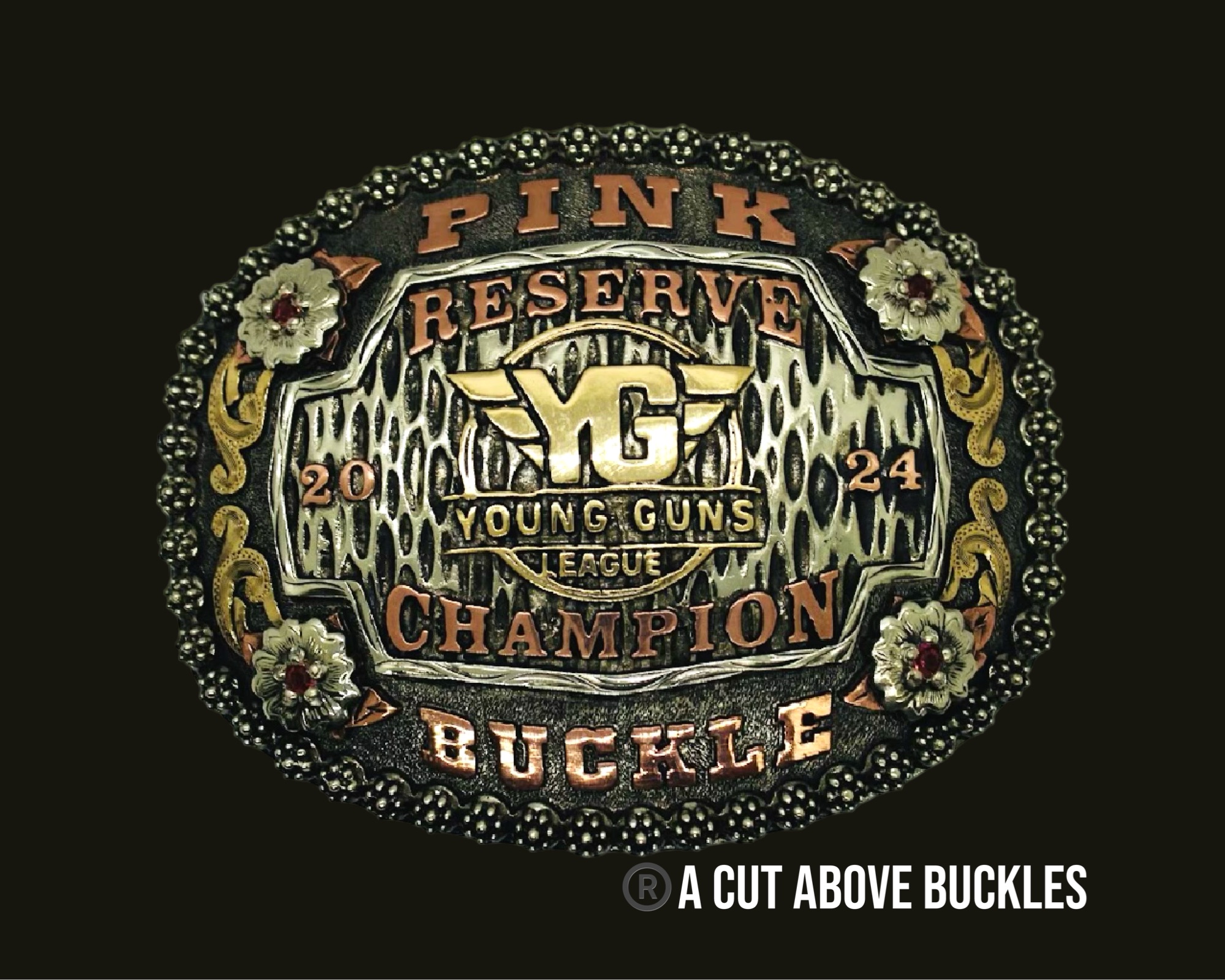
When you set out to design a custom Western buckle, choosing the right metal is one of the most critical decisions you will make. The material you select forms the foundation of the piece, dictating its overall look, feel, and longevity. Among the most popular options on the market, buyers often find themselves debating a sterling silver vs german silver buckle.
Many people are unsure which option truly fits their needs. Should you invest in a precious metal for a family heirloom, or opt for a durable alloy built for everyday ranch work? At A Cut Above Buckles, we want to make this choice as straightforward as possible. This comprehensive buckle material comparison explores the differences in weight, durability, price, maintenance, and long-term wear so you can confidently choose the perfect foundation for your design.
Sterling silver is the undisputed classic of fine Western metalwork. It is a precious metal alloy made of 92.5% pure silver and 7.5% copper. Because pure silver is naturally very soft, craftsmen add this small percentage of copper to provide the necessary strength and durability for wearable items.
The prestige of sterling silver is unmatched. It delivers a brilliant, unmistakable shine that catches the light beautifully, whether you are in the rodeo arena or at a formal event. For centuries, silversmiths have favored this metal because of how beautifully it takes a tool. When an artisan uses a graver to cut into sterling silver, the metal yields smoothly, allowing for incredibly deep, crisp, and detailed hand engraving.
Because of its status as a precious metal and its traditional use, sterling silver is universally considered a premium material. For a deeper dive into the specific properties of different metals used in our shop, you can review our guide on Understanding Buckle Materials.
If you are new to Western accessories, the term "German silver" might be a bit confusing. Also known as nickel silver or alpaca silver, German silver actually contains no elemental silver. Instead, it is a highly durable alloy composed primarily of copper, zinc, and nickel.
Originally developed in Germany to mimic the appearance of lightweight silver, this alloy has become a staple in Western buckle production. It features a bright, clean look that closely resembles sterling, though sometimes with a very subtle, warmer undertone.
Buckle makers frequently use German silver as a structural base because of its incredible toughness. It is significantly harder than sterling silver, meaning it resists bending and heavy impacts. Furthermore, because it does not rely on precious metal commodity pricing, German silver offers excellent affordability and practicality for those who want a stunning piece of custom hardware without the premium price tag.
If you are looking for a rapid german silver vs sterling silver belt buckle breakdown, use this quick comparison chart to scan the core differences:
|
Feature |
Sterling Silver |
German Silver |
|---|---|---|
|
Metal Composition |
92.5% Pure Silver, 7.5% Copper |
Copper, Zinc, and Nickel |
|
Weight |
Heavier, dense, and substantial |
Lighter, but still solid and sturdy |
|
Durability |
Excellent, but softer and prone to minor scratches |
Extremely tough and highly scratch-resistant |
|
Price Range |
Premium / High-End |
Affordable / Budget-Friendly |
|
Tarnish Behavior |
Oxidizes naturally; requires regular polishing |
Highly tarnish-resistant; stays bright easily |
|
Maintenance Needs |
Moderate to High |
Low |
|
Engraving Detail |
Exceptional depth and brilliance |
Very good, but cuts differently than pure silver |
|
Best Use Cases |
Heirlooms, high-end gifts, milestone awards |
Everyday wear, trophy buckles, working gear |
The physical weight of your buckle significantly impacts how it feels when worn. Because silver is a dense elemental metal, a sterling silver buckle will always feel noticeably heavier in your hand than a German silver buckle of the exact same size and thickness.
Many buyers love this added weight. A heavier buckle feels substantial, luxurious, and grounded. It serves as a constant, comforting reminder of the quality piece resting on your belt. On the other hand, German silver provides a comfortable, lighter alternative. While it certainly doesn't feel flimsy, the reduced weight makes it an incredibly comfortable choice for long days in the saddle or for working around the property.
Both materials are built to withstand the demanding Western lifestyle, but they age differently.
Sterling silver is softer. Over years of daily wear, it will pick up tiny micro-scratches. However, these small marks blend together to create a beautiful, soft patina, giving the buckle a distinct "lived-in" character. It is durable enough to last generations, but it requires a bit more care to prevent deep gouges.
German silver excels in raw structural strength. It boasts incredible scratch resistance and easily absorbs the bumps and impacts of daily life. If you are extremely hard on your gear, German silver will maintain its original, unblemished appearance longer. Because of this structural integrity, makers frequently use German silver as the tough base plate for intricate mixed-metal designs.
Price is often the deciding factor when choosing between a sterling silver vs german silver buckle. The cost difference stems directly from the raw materials.
Sterling silver is a traded precious metal. Its price fluctuates with the global commodities market, making it significantly more expensive to source. When you commission a sterling piece, you are investing in intrinsic material value. German silver, a base-metal alloy, is much more cost-effective.
However, keep in mind that the base metal is just one part of the final price. When you explore a custom design page, you will see that costs are also influenced by engraving complexity, custom artwork creation, and the addition of gemstones or 10k gold overlays. A highly intricate German silver buckle with extensive overlays can still be a significant investment in pure artisan labor.
Understanding how these metals react to environmental conditions will help you properly care for your buckle.
Sterling silver naturally oxidizes when exposed to air, moisture, and the natural oils on your skin. Over time, the bright silver will tarnish, turning slightly yellow and eventually black if left unattended. To keep it shining, sterling requires regular, gentle cleaning with a proper silver cloth.
German silver behaves differently. It is highly resistant to tarnishing and generally maintains its bright finish with very little effort. A quick wipe with a soft cloth is usually all it takes to remove fingerprints or dust. If you want to learn the best practices for keeping either metal in pristine condition, read our complete guide on How to Clean, Care For & Store a Hand-Engraved Western Buckle.
There is no single "correct" metal. The best choice depends entirely on how and where you plan to wear the piece.
Sterling silver may be ideal for:
German silver may be ideal for:
Is German silver real silver?
No. Despite the name, German silver contains zero elemental silver. It is an alloy of copper, zinc, and nickel designed to look like silver while offering superior hardness and affordability.
Why do many buckles combine multiple metals?
Mixing metals creates stunning visual contrast. A common technique involves using a durable German silver base plate, then adding copper floral accents and jeweler's bronze lettering to create a rich, three-dimensional design.
Does sterling silver scratch easily?
Sterling is softer than base metals, so it will pick up micro-scratches from daily use. Most Western wearers appreciate this gradual softening, as it develops into a beautiful, authentic patina over time.
How do I know if a buckle is solid silver or plated?
Solid sterling silver buckles are typically stamped with "925" or "Sterling" on the back. If you are unsure about a piece you own, read our guide on How to Tell if a Western Belt Buckle Is Real Silver or Plated.
How should I clean my buckle?
Use a specialized, non-abrasive silver polishing cloth. Avoid harsh liquid chemical dips, as these can strip away the intentional dark antiquing that makes your engraved details stand out.
Can I order custom buckles in either metal?
Absolutely. We work with both materials regularly. Whether you want a fully bespoke heirloom or an affordable everyday piece, we can accommodate your needs. You can also browse our ready-to-ship store page to see examples of our finished metalwork.
Still have questions? Our FAQ page and Knowledge Hub are great resources for additional information. You can also contact our customer service team for personalized assistance.
Deciding between a sterling silver vs german silver buckle ultimately comes down to your personal priorities. If you value the prestige, the brilliant engraving depth, and the heirloom quality of precious metals, sterling silver is an unparalleled choice. Conversely, if you need unmatched structural durability, low maintenance, and an affordable price point for everyday wear, German silver performs brilliantly.
Both materials, when placed in the hands of experienced silversmiths, produce breathtaking functional art. Evaluate your budget, consider your daily routine, and choose the metal that best aligns with your lifestyle. To see our latest designs in both materials, follow our Facebook page.
When you are ready to start your custom project, reach out through our contact page and let us help you bring your vision to life.


© Copyrights 2026 A Cut Above Buckles


