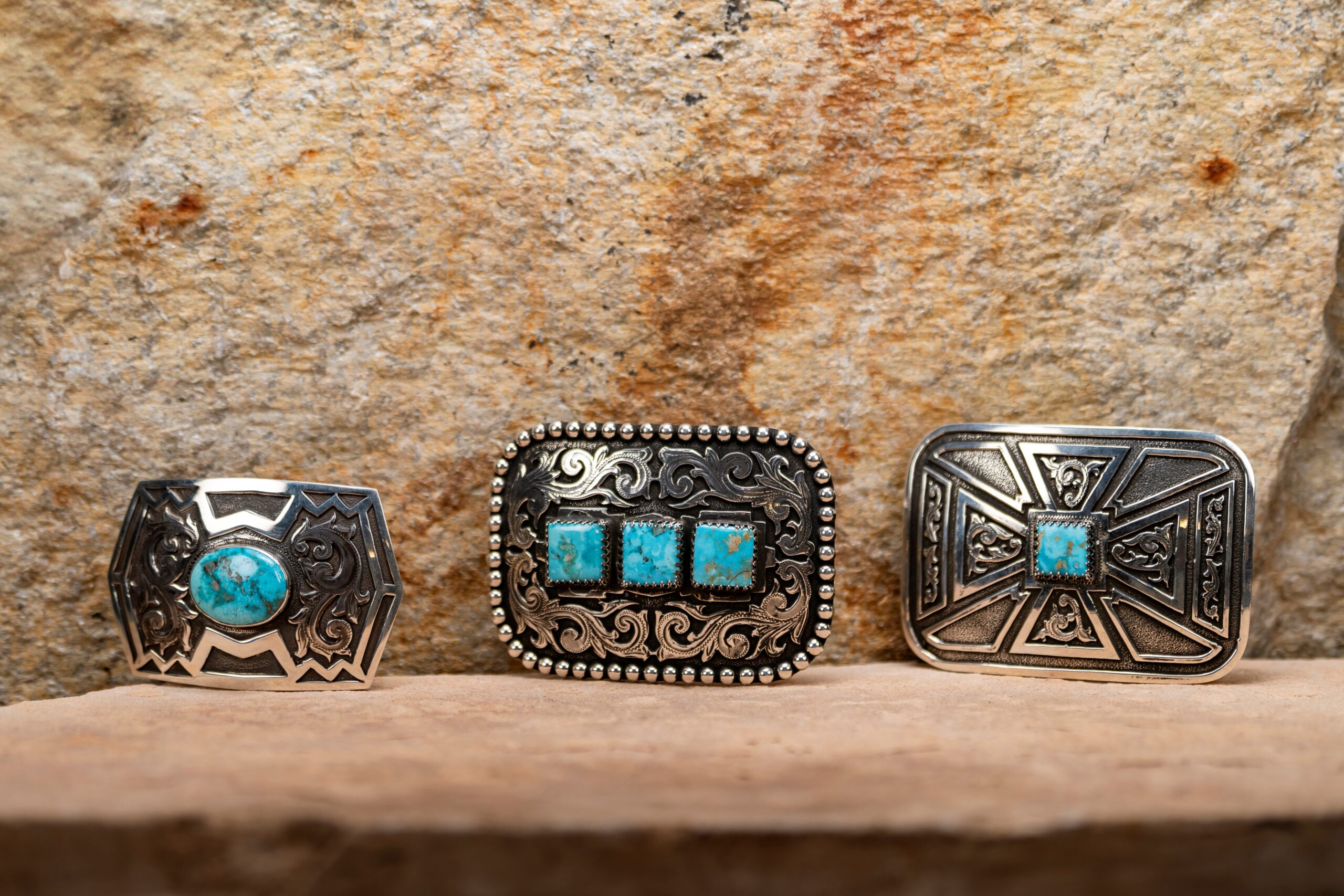
For anyone living the Western lifestyle, a belt buckle isn't just an accessory; it’s a statement. It tells a story of achievements, heritage, and personal style. At A Cut Above Buckles, we have been crafting these stories since 1999. Founded by former bull rider Andy Andrews, our mission has always been to create heirloom-quality pieces that you can be proud to hand down to the next generation.
However, when you start designing a custom piece, you might feel overwhelmed by the technical choices. One of the most common questions we receive in our Knowledge Hub revolves around the composition of the buckle itself. Choosing the right metal is crucial not just for aesthetics, but for the longevity and durability of the piece.
Whether you are looking for a trophy for a rodeo champion or a personalized gift for a loved one, understanding the differences between western buckle metal types is the first step. In this guide, we will break down the characteristics of sterling silver, German silver, bronze, and mixed metals to help you make an informed decision for your next custom order.
When people think of high-end jewelry and awards, sterling silver is often the first material that comes to mind. It is a precious metal, renowned for its brilliant luster and high value. In the debate of sterling vs German silver, sterling silver represents the more traditional, investment-grade option.
Sterling silver is an alloy made of 92.5% pure silver and 7.5% other metals, usually copper. Pure silver is too soft to be used in functional items like belt buckles, so adding copper provides the necessary strength while maintaining that signature white-silver shine.
While sterling silver is beautiful, it is a softer metal compared to nickel-based alloys. This means it can be scratched or dented if subjected to heavy abuse in the arena. It also naturally oxidizes (tarnishes) over time when exposed to air and oils. However, many of our customers love the patina that develops on sterling silver, as it adds character and depth to the hand engraving. A quick polish with a silver cloth can easily restore its original brilliance.
If you are looking for buckle materials that scream "prestige," sterling silver is the way to go. It is the ideal choice for:
Don't let the name fool you—German silver actually contains no elemental silver. It is a robust alloy of copper, nickel, and zinc. When customers ask us about western buckle metal types suitable for everyday wear and tear, German silver is frequently our top recommendation for its incredible resilience.
Also known as nickel silver, this alloy mimics the appearance of sterling silver but offers superior hardness. It has a slightly warmer, steel-like tone compared to the white brightness of sterling. In the comparison of sterling vs German silver, German silver wins on durability and affordability.
German silver is resistant to tarnish and corrosion, making it a low-maintenance option for cowboys and cowgirls who are hard on their gear. It holds its shine longer and is less prone to deep scratches or dents. This makes it one of the most practical buckle materials for anyone active in rodeo or ranching.
Because it is harder and more affordable than sterling, German silver is perfect for:
For those who want to step away from the silver aesthetic, jeweler's bronze offers a distinct, warm look. It is often used to add contrast to a silver base, but it stands on its own as a unique choice among western buckle metal types.
Jeweler's bronze is an alloy of copper and zinc. It possesses a rich, gold-like color that mimics 14-karat gold but at a fraction of the cost. It provides a vintage, rustic appeal that pairs perfectly with leather and traditional western attire.
Bronze is a durable metal, but like sterling, it reacts to the environment. Over time, bronze will develop a rich, earthy patina. While some prefer to keep it polished to a gold shine, many of our customers appreciate the darkened, antique look that bronze acquires with age.
When considering different buckle materials, bronze is an excellent selection for:
You don't always have to choose just one metal. In fact, some of our most stunning custom designs feature a blend of metals. This technique allows us to utilize the strength of one metal and the beauty of another.
By mixing western buckle metal types, our silversmiths can create a sense of depth and artistic flair that a single-metal buckle might lack. For example, a common and popular configuration is a German silver base (for durability) with sterling silver overlays and bronze lettering. This combination offers the alloy's longevity with the prestige of precious-metal accents.
If you are torn in the sterling vs German silver debate, a mixed-metal buckle is the perfect compromise. You get the structural integrity of the German silver base, ensuring the buckle lasts a lifetime of hard use, while copper or bronze accents add the visual warmth that elevates the design.
Using mixed buckle materials allows for limitless creativity. You can incorporate:
Once you have selected your base metals, the customization doesn't stop there. The finish and additional elements you choose can completely transform the buckle's final look.
The finish dictates how light interacts with the metal.
To truly make a buckle one-of-a-kind, we offer stone settings and enamel work.
Choosing between sterling vs German silver or deciding to go with bronze ultimately comes down to how you plan to use the buckle and your budget.
If you need a rugged everyday buckle that can handle the dust and impact of the rodeo, German silver is a superior choice among buckle materials. If you are commissioning a retirement gift, a wedding buckle, or a high-stakes trophy, the value and luster of sterling silver are unmatched.
At A Cut Above Buckles, we don't just stamp designs out of metal. We hand-engrave and hand-assemble every piece, regardless of the metal you choose. We stand behind our work because we know that when you wear one of our buckles, you're wearing a badge of honor.
Ready to start designing your own custom buckle? Visit our Custom Buckles page to see examples of these metals in action, or Contact Us to speak with a designer about bringing your vision to life.

© Copyrights 2026 A Cut Above Buckles


