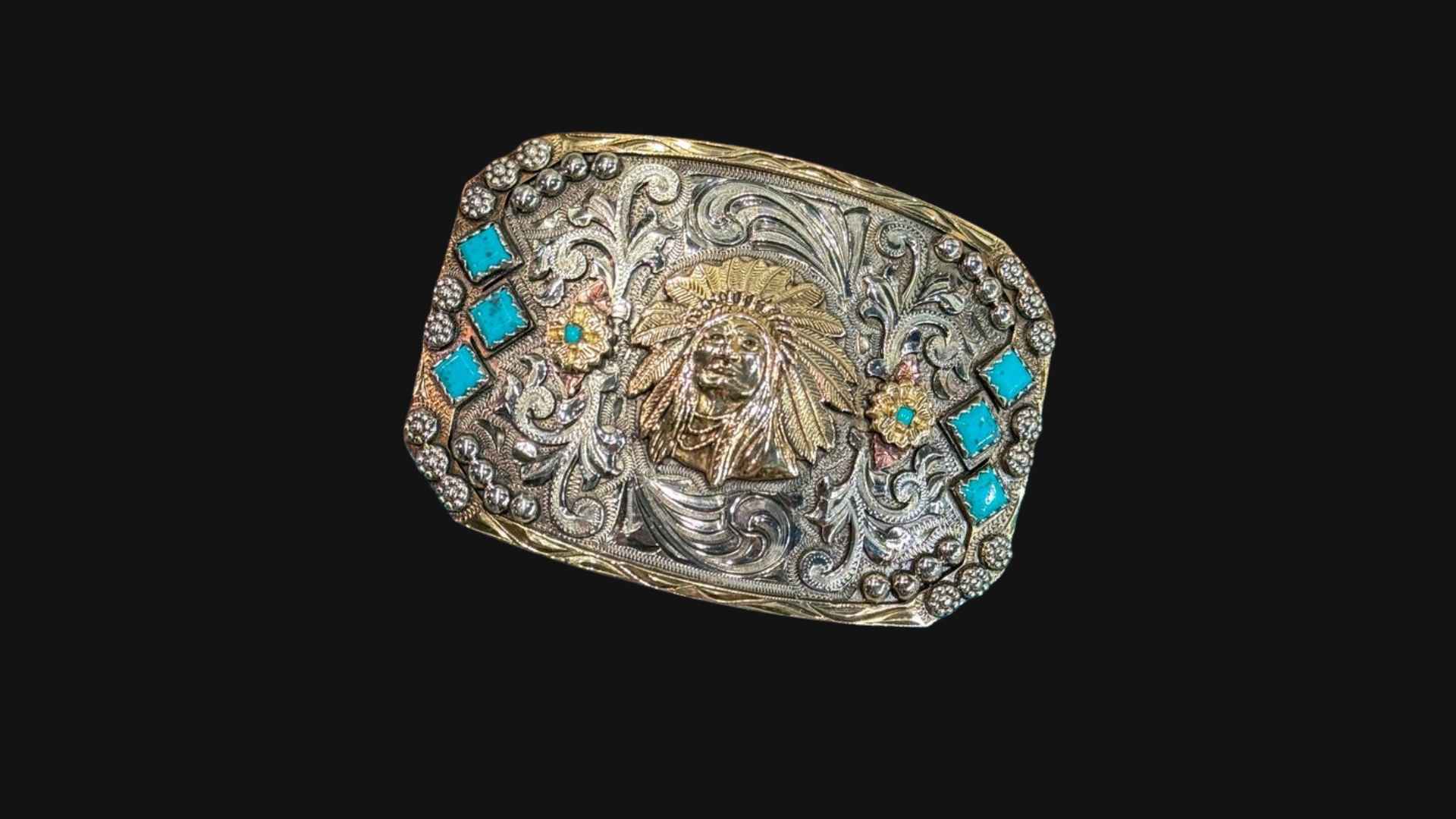
Old belt buckles show up everywhere. Estate sales, family attics, secondhand shops full of dusty western gear. Some are worth almost nothing. Others are worth a genuine collector's attention and a real price tag.
The tricky part is telling the difference. A buckle does not need to look flashy to hold value. Sometimes the plainest piece in the box turns out to be the most significant one.
This guide breaks down what actually gives vintage and antique western belt buckles their worth, so you can look at an old piece with a sharper eye.
A lot of people assume old automatically means valuable. That is not how it works with belt buckles.
Plenty of buckles from the early 1900s are common and worth very little today. Meanwhile, some pieces from the 1970s command serious money because of who made them or how few exist. Age plays a role, but it is only one piece of a bigger picture.
Collectors care more about the full story behind a buckle. Who made it. What it was made from. How many were produced. Whether it still looks the way it did decades ago.
Almost every serious collector starts here. A maker mark is a small stamp or engraving that identifies who crafted the piece. Finding one changes everything about how a buckle gets valued.
A known silversmith or western jeweler carries reputation. Buyers trust craftsmanship from a name they recognize. That trust translates directly into price.
Buckles from respected makers, especially smaller shops known for handcrafted silver work, often sell for far more than unmarked pieces of similar age. The mark proves the buckle came from real skill, not a mass factory line.
Maker marks usually sit somewhere out of plain sight. Checking these spots takes a few extra seconds but can completely change what you think you own.
The back of the buckle plate, near the loop or clasp
Underneath the tongue mechanism
Along the inner edge of the frame
Stamped faintly into the metal near a seam or edge
A tiny stamp reading a name, initials, or a small logo can turn an ordinary looking buckle into a genuine collector's item.
The metal used in an old buckle affects both durability and worth. Not all western buckles were made the same way, even if they look similar at a glance.
Sterling silver pieces almost always outvalue base metal buckles from the same era. German silver, despite the name, contains no actual silver and sits in a different value tier entirely. Brass and nickel pieces can still hold worth, but usually less than silver unless the design or maker adds extra weight to the price.
If you're trying to identify what metal an old buckle is made from, our guide on western buckle metal types breaks down the differences in appearance, weight, and wear patterns. This becomes especially useful for pieces without a maker mark, where the metal itself becomes one of your best clues.
Two identical buckles from the same era can sell for wildly different prices based on condition alone. Collectors pay close attention to how well a piece survived the decades.
Some wear actually adds character and authenticity to a vintage piece. Other damage seriously hurts value. Knowing the difference helps you judge a buckle correctly.
Light surface scratches, a soft patina, or gentle rounding on edges usually reads as honest aging. These signs suggest a buckle that got worn and loved, not neglected.
Deep dents, cracked plating, missing stones, or a broken tongue mechanism tell a different story. These issues point to real damage, and they knock down resale value fast.
A buckle with its original tongue, loop, and any inset stones holds more value than one with replaced parts. Even a skilled repair changes the piece slightly from its original form.
Collectors often ask directly whether a piece has been repaired. Being upfront about this actually helps rather than hurts, since honesty builds trust in the collector community.
Rarity is where real value gets built. A common design from a well known maker still sits lower on the price scale than a rare piece, even from a lesser known name.
A few factors push a buckle into rare territory.
Limited production runs, especially handmade pieces from small western shops
Regional designs tied to a specific state, rodeo circuit, or era
Discontinued styles no longer produced by the original maker
Pieces tied to a specific historical event, award, or commemorative run
Rarity often gets discovered by accident. Someone researches a mark, finds almost no other examples online, and realizes they own something genuinely uncommon.
Handcrafted western silverwork has a long history built by dedicated silversmiths who spent decades perfecting their trade. Andy Andrews, founder of A Cut Above Buckles, represents that same tradition. His decades of hands-on craftsmanship reflect the same standards collectors look for in vintage pieces today.
That connection matters because it shows collectors what quality craftsmanship actually looks like up close. Understanding what goes into a well made modern buckle helps you judge an older piece with a trained eye. The engraving depth, the metal weight, the way a design sits on the frame. These details separate true craftsmanship from mass production, whether the piece was made in 1960 or last year.
You can read more about that background and craftsmanship history on our about us page.
Finding a valuable old buckle is only half the job. Keeping it in good shape matters just as much, especially if you plan to wear it or eventually sell it.
Cleaning an antique silver buckle the wrong way can strip away value fast. Harsh chemicals, aggressive polishing, or the wrong cloth can damage a patina that took decades to form. Our guide on how to clean a silver buckle walks through safe methods that protect both the metal and the piece's history.
Sometimes an old buckle needs more than cleaning. A loose tongue, a cracked plate, or a missing stone might need actual repair work.
This is where things get delicate. Fixing a vintage piece the wrong way can strip away the very qualities that made it valuable in the first place. A good restoration keeps the original character intact while making the buckle functional again.
A Cut Above Buckles offers repair work for pieces exactly like this. The goal is always keeping as much of the original craftsmanship in place as possible, rather than replacing more than what is necessary.
The next time you spot an old belt buckle at a sale or tucked away in a drawer, take a closer look. Check for a maker mark. Study the metal. Look honestly at the condition.
That small piece of metal might carry more history and value than it first appears. To learn more about craftsmanship, metal types, and the western silverwork tradition, visit A Cut Above Buckles and explore the full range of resources available.

© Copyrights 2026 A Cut Above Buckles


