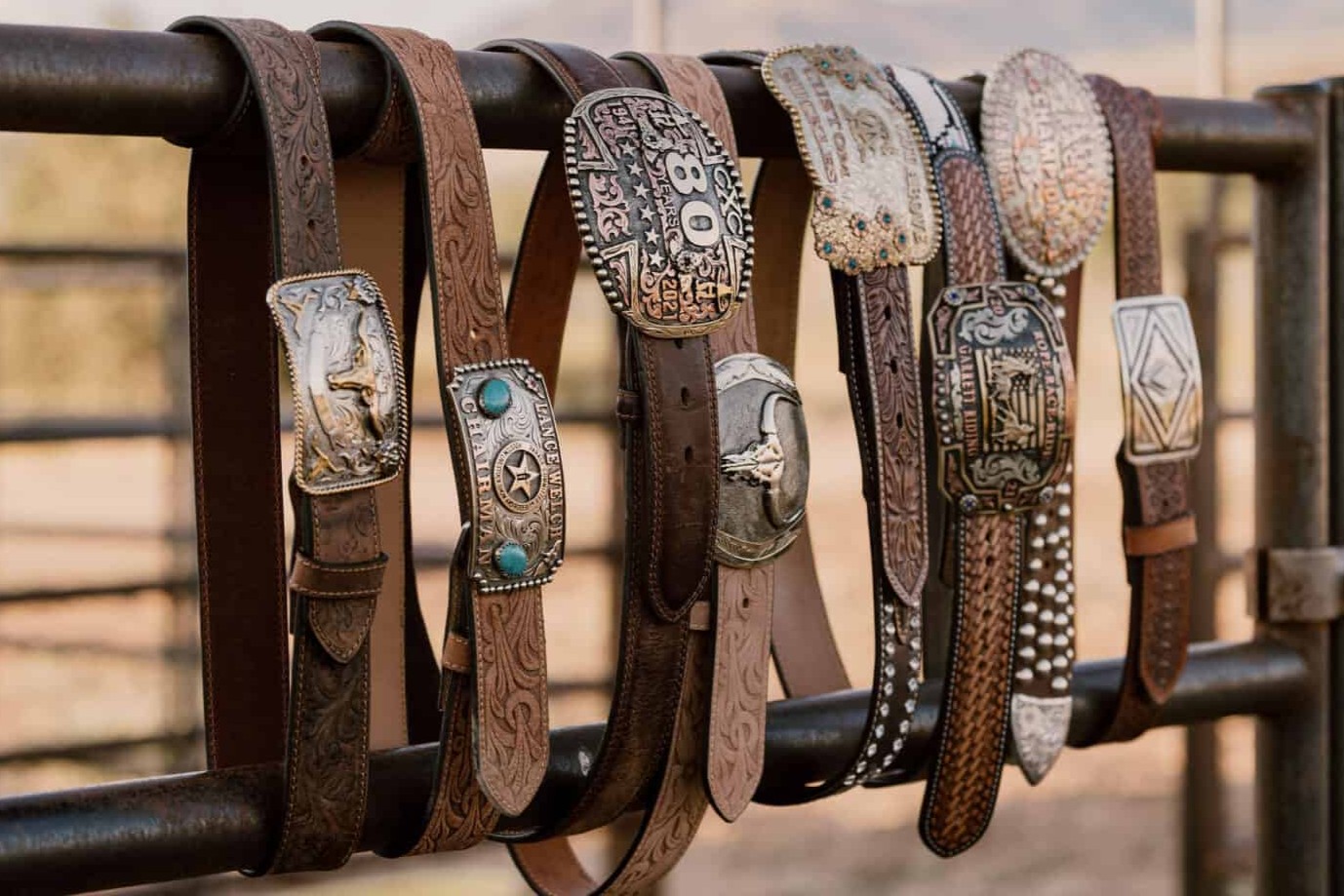
Buying your first Western buckle is a rite of passage. It’s more than just an accessory; it’s a statement piece that speaks to your style, your achievements, or your lifestyle. But if you’ve ever browsed a catalog and felt overwhelmed by terms like "hook back," "frame style," or "snap-on," you aren’t alone. Getting the fit right is just as important as the design on the front.
Welcome to our comprehensive belt buckle size guide. Whether you are buying a trophy buckle for a rodeo champion, a custom gift for a family member, or just upgrading your own gear, we are here to help you measure twice and order once. Let’s take the guesswork out of sizing so you can wear your new buckle with confidence.
Before you start shopping or designing, grab your current favorite belt and a tape measure. Here is a quick checklist of what you need to know to get the perfect fit:
Having these numbers ready will save you time and ensure your new hardware works seamlessly with your existing leather.
Getting the numbers right doesn’t require a degree in engineering. You just need a flat surface and a few minutes.
Lay your belt flat on a table. Measure the leather strap from the top edge to the bottom edge.
Look at the side profile of your belt. Is it a single strip of leather, or is it padded and double-stitched? Thicker belts (over 4mm) might require a buckle with a slightly deeper hook or bracket clearance to sit flat against your waist
If you are buying a new belt to go with your buckle, don’t just use your pant size. Belt sizing is typically your pant waist size plus 2 inches. For example, if you wear size 34 jeans, look for a size 36 belt. This leaves enough room for the extra bulk of jeans and the buckle itself.
Once you know your belt specs, it's time to pick the buckle size. This is where personal taste meets practicality. In our belt buckle size guide, we often categorize buckles by their "statement" level.
For daily ranch work or office wear, you generally want something comfortable that doesn’t dig into your stomach when you sit down.
This is the "big shiny" look Western wear is famous for. These buckles are meant to be seen from the stands.
Pro Tip: If you have a smaller frame, a massive 5-inch buckle might feel uncomfortable for all-day wear. Consider your body type and daily activities when choosing the overall dimensions.
For more detailed advice on matching your buckle to your personal style, check out our guide on how to customize your belt buckle for ideal fit.
Not all buckles attach the same way. Understanding the mechanics will prevent you from buying a buckle that simply doesn’t work with your belt. Here are the most common types you’ll encounter:
This is the most common style for trophy buckles.
Think of a traditional dress belt.
This refers more to the belt itself than the buckle, but it’s crucial terminology.
These are sleek and are often used in military or dress uniforms, but they also appear in Western wear.
Often seen on casual wear or ranger sets.
Ready to create something unique? Designing a custom buckle with A Cut Above Buckles is easier than you think. We guide you through every step to ensure the final piece fits your belt and your style perfectly.
Here is the simple process to get started:
Our team reviews every detail to ensure your custom design isn't just beautiful, but wearable.
Q. Can I put a Western buckle on a regular dress belt?
A. Usually, no. Dress belts often have the buckle permanently stitched on. To wear a Western plate buckle, you need a belt with snaps or screws that allows you to remove the existing hardware.
Q. How do I know if my belt is too thick for a buckle?
A. If you have a heavy-duty gun belt or a double-layered, tooled leather belt, let us know before ordering. Standard Western buckles fit most belts, but extra-thick leather might require a custom bracket with more depth to close securely.
Q. Should I size up my belt if I wear a big buckle?
A. Yes. A large plate buckle adds length to the overall belt setup (sometimes 2-3 inches). If you wear a large trophy buckle, you might actually need a slightly shorter belt leather than if you used a standard frame buckle, or you simply tighten your current belt by one hole.
Q. Can I order a buckle as a gift if I don’t know their size?
A. Absolutely. Belt buckles are one-size-fits-all in terms of waist size; the only requirement is that they match the belt's width. For the safest bet, order a buckle designed for a standard 1.5-inch belt, as this is the most common size for Western belts.
Q. What is the most comfortable attachment type?
A. For sitting, riding, and working, a curved plate buckle (hook back) is often very comfortable because it lies flat against the stomach. Frame buckles are also low-profile and comfortable for all-day wear.
Choosing the right buckle is about balancing tradition, comfort, and personal style. Whether you need a subtle everyday piece or a bold trophy buckle to commemorate a major milestone, getting the sizing right ensures your investment looks great and lasts a lifetime. Now that you understand the belt buckle size guide, it’s time to upgrade your gear. Shop our online collection to find a ready-to-wear favorite, or start your custom order with A Cut Above Buckles today to create a one-of-a-kind masterpiece tailored just for you.
Follow our Facebook page for new designs and company updates.


